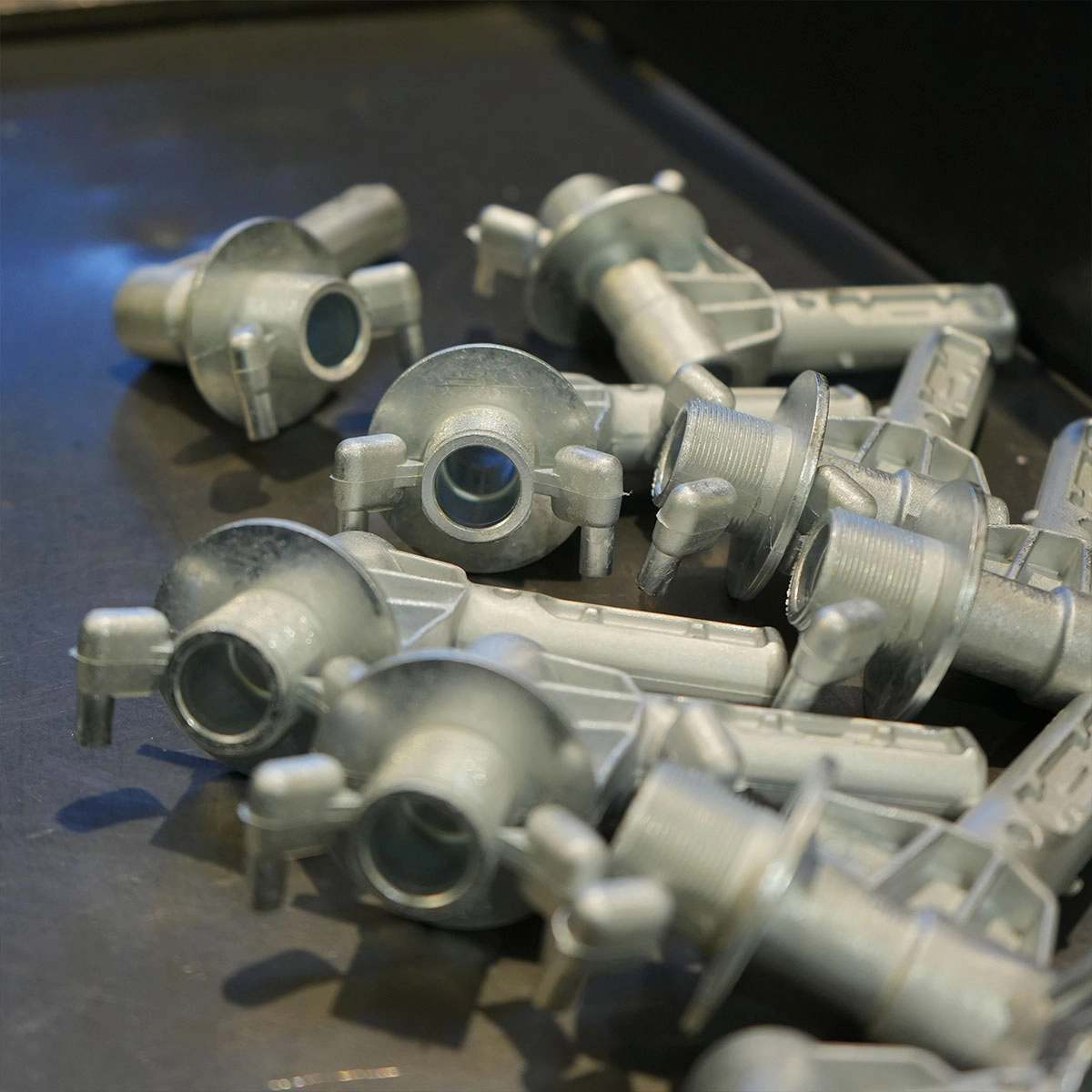
The zamak recycling process
Zamak is 100% recyclable. This means that parts manufactured using processes such as zamak die casting can be recovered and reused at the end of their useful life. Recycling is carried out through the following steps:
- Waste collection: Discarded parts or production surpluses are collected for processing.
- Smelting: Recycled materials are melted to separate and purify the alloy.
- Reuse: Recycled zamak can be used to create new pieces without losing quality or mechanical properties.
Environmental benefits of recycling
- Waste reduction: Recycling zamak minimises industrial waste, contributing to more efficient resource management.
- Energy savings: The production of recycled zamak consumes less energy than the extraction and processing of raw materials.
- Circular economy: Being completely recyclable, zamak promotes a sustainable production model that reduces the need to extract new resources.
Uses of recycled zamak
It retains all the properties of the original alloy, so it can be used in the same sectors as new zamak. This includes:
- Automotive: Structural and decorative parts.
- Household appliances: Housings and internal components.
- Fashion and jewelry: Clasps, buckles and ornaments.
- Construction: Hardware and fixing systems.
Why choose recyclable zamak?
Using recyclable zamak not only reduces environmental impact, but also brings economic benefits. Companies that adopt recycled zamak casting can optimize costs without compromising the quality of their products.
In conclusion, Zamak is much more than a versatile and resistant alloy. Its recyclability makes it a smart choice for companies looking to innovate with sustainability. If you are interested in exploring the advantages of Zamak and Zamak die casting for your project, do not hesitate to contact us.