Table of contents
Zamak in windshield wiper systems: Durable supports and mechanisms
Zamak, an alloy primarily composed of zinc, aluminum, magnesium, and copper, has transformed the manufacturing of multiple components in the automotive industry. In this case, we will explore how this alloy contributes to the efficiency, reliability, and sustainability of windshield wiper systems.
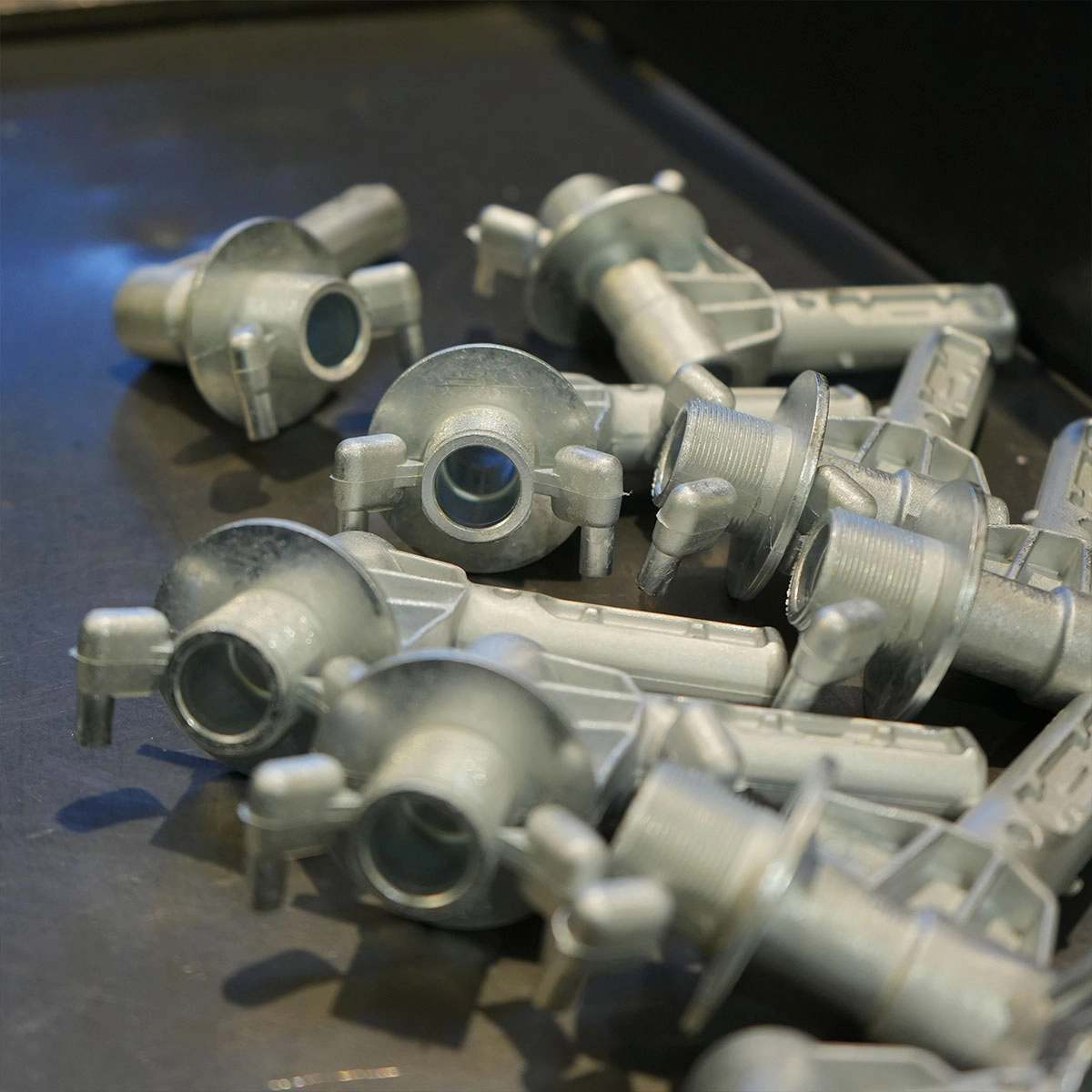
Although Zamak is often associated with high-resistance parts, in this post, we go beyond its general properties and focus on its innovative applications in windshield wiper systems, particularly in the supports and mechanisms. Next, we will break down how the use of Zamak can generate advantages that are often overlooked.
Innovation in windshield wiper systems with Zamak
The efficiency of windshield wiper mechanisms not only depends on their design but also on the materials used in their construction. Zamak, due to its strength and lightness, contributes to the creation of parts with a perfect balance between robustness and low weight, which is essential for automotive systems.
1. Weight optimization of the windshield wiper system
In automotive manufacturing, weight is a critical factor that affects fuel consumption and energy efficiency. Zamak enables the creation of robust components, such as windshield wiper supports, without adding unnecessary weight to the vehicle. This weight optimization is crucial for the efficient design of modern vehicles.
Die casting technology
The die-casting process is one of the most innovative aspects of Zamak in the automotive industry. This technology allows for high-precision manufacturing, making it easier to create complex parts like windshield wiper mechanisms with exact tolerances. Die-castingalso accelerates production, making it a cost-effective and large-scale process for automotive manufacturers.
3. Zamak and resistance to vibration and external forces
The windshield wiper system is in constant motion, subject to vibrations, temperature changes, and exposure to the elements. Zamak, with its ability to resist deformation from external forces and vibrations, becomes the ideal material to ensure the proper functioning of the system over time, without the parts being affected.
4. Corrosion resistance properties: beyond the obvious
An essential characteristic of Zamak is its resistance to corrosion, especially against harsh weather conditions like heavy rain or snow. Windshield wiper supports, which are directly exposed to the elements, greatly benefit from this property. In the long term, this improves the system’s lifespan and reduces the need for maintenance.
5. Recyclability and sustainability of Zamak
As the automotive industry moves toward a more sustainable future, the use of recyclable materials like Zamak is gaining importance. This alloy is fully recyclable, meaning that windshield wiper parts made of Zamak can be reused at the end of their lifespan, reducing the carbon footprint and promoting the circular economy within the sector.
Success stories in the automotive industry with Zamak
Beyond its technical characteristics, Zamak has been key in several innovation projects in the automotive industry. Some manufacturers have successfully implemented this material in the development of windshield wiper mechanisms, achieving outstanding results in terms of cost and performance.
Examples of manufacturers that have improved their automotive systems using Zamak include leading companies in automotive technology that have opted for this material to create lighter and more efficient components, reducing the total production cost without sacrificing quality.
Zamak: The future of automotive systems?
As the demand for more efficient and sustainable vehicles continues to grow, the use of materials like Zamak will expand, especially in key system components like windshield wipers. Advanced technology, weight reduction, and resistance to weather conditions are just some of the advantages of this material, making it an essential option for automotive manufacturers looking to optimize every detail of their designs.
Conclusion
Zamak not only stands out for its strength and low cost, but also, in applications like windshield wiper systems, offers innovation, sustainability, and durability. By adopting this material, automotive manufacturers not only improve vehicle performance but also contribute to the creation of more efficient and eco-friendly solutions.
So, if you’re looking for a way to optimize your automotive parts manufacturing processes, especially for essential components like those in the windshield wiper system, Zamak should be a top priority on your list.