Table of contents
Zamak Molds: Techniques and Key Benefits
When we talk about zamak moulds, we are not only referring to an essential part of the manufacturing process, but to an element that plays a crucial role in improving the efficiency and precision of industrial production. If you are looking for ways to improve the quality and performance of your products made from zamak, understanding the impact of these moulds on production is the first step.
What are they and why are they essential?
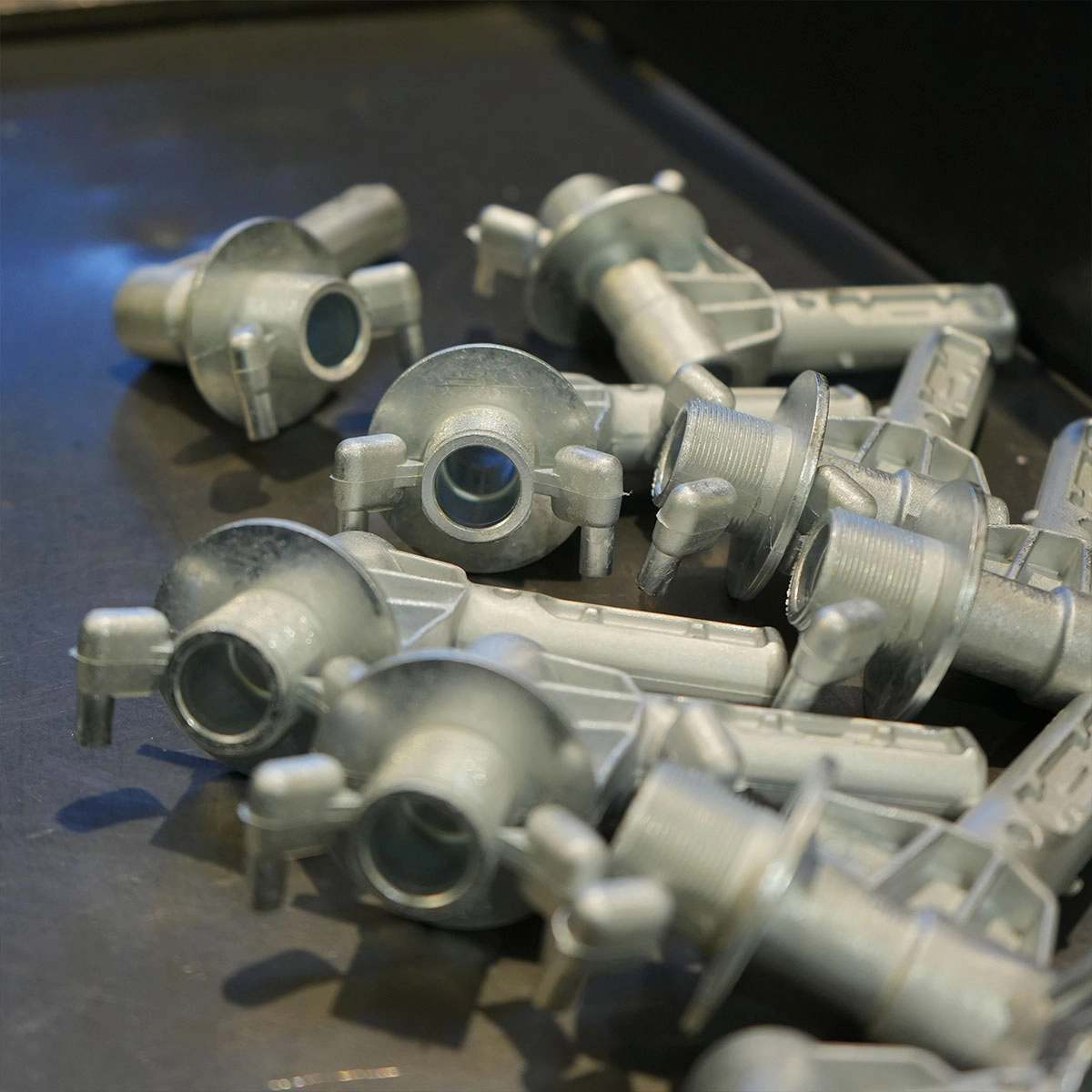
Zamak is a zinc alloy used to create durable, high-precision parts. Zamak molds are used in die-casting to transform molten material into finished or semi-finished products. Thanks to its resistance to corrosion and its ability to be cast and molded with high precision, Zamak is ideal for creating parts of all kinds, from small, complex components to large structural parts.
How do they affect production efficiency?
Zamak moulds offer a series of advantages that optimise the entire production process:
👉 Design Precision: Zamak molds’ ability to reproduce intricate details is one of their most valuable features. This allows for the production of parts with tight tolerances, which is essential in industries such as automotive, electronics, and toolmaking.
👉 Reduced Production Costs: Thanks to zamak’s ability to be integrated into die-casting processes, several stages of the traditional process, such as part assembly, can be eliminated. This reduces operating costs and speeds up production times.
👉 High Durability and Strength: Zamak molds can withstand multiple production cycles without losing their properties. This not only ensures high-quality parts but also ensures that the molds don’t require frequent replacement, contributing to greater long-term efficiency.
Key advantages in industrial manufacturing
The manufacture of zamak moulds offers advantages that not only improve the quality of the parts, but also the productivity of the production process. Among the main benefits, the following stand out:
✅ Versatility: Zamak molds can be used to create parts in a variety of shapes and sizes, making them useful in a variety of industries. They can also be easily adapted to custom designs and specific customer needs.
✅ High Thermal and Electrical Conductivity: Zamak is a material that allows for excellent heat dissipation, making it an ideal choice for electrical and electronic components. Its high electrical conductivity is also beneficial for applications requiring energy efficiency.
✅ Corrosion Resistance: Parts made with zamak molds feature excellent corrosion resistance, which extends the life of the parts, even in aggressive environments.
The Mold Making Process: Step by Step
The process for creating zamak molds involves several critical steps that ensure the final parts are of high quality:
- Material Selection: The appropriate zamak is chosen for the project based on its properties, such as temperature resistance or hardness.
- High Temperature Casting: Zamak is melted at temperatures of approximately 430°C. Once melted, the material is introduced into the mould under high pressure.
- Injection into the Mold: The molten zamak is injected into the mold, ensuring that it is completely filled and that all the details of the design are accurately reproduced.
- Cooling and demolding: Once the zamak has cooled and solidified, the mold is opened and the piece is removed. Depending on the complexity, additional operations such as finishing or polishing the piece may be performed.
- Quality Control: Parts are inspected to ensure they meet design and quality specifications. This includes checks for tolerances, surface finishes, and strength.
How to maximize mold efficiency in your production
To get the most out of zamak molds, it is essential to implement proper maintenance practices and constant monitoring:
✅ Regular Mold Maintenance: A well-maintained mold not only produces higher-quality parts but also has a longer lifespan. This includes frequent cleaning, proper lubrication, and periodic inspection.
✅ Optimizing Casting Parameters: Adjusting the melting temperature and injection pressure to the specifications of the material and parts being produced is crucial to avoid defects such as air bubbles or deformations.
✅ Ongoing Training: Ensure your production team is well-trained in the use of zamak molds to maximize their performance and avoid costly production errors.