Table of contents
Zamak in the construction sector
In the world of construction, choosing the right materials is essential to ensure the quality, durability and efficiency of projects. Among the materials that are gaining prominence in the sector, zamak has established itself as a versatile and reliable alternative. This metal alloy, composed mainly of zinc, aluminium, magnesium and copper, is used in a wide variety of applications thanks to its unique properties.
What is special about Zamak?
Zamak is characterized by its high resistance to corrosion, its ease of modeling and its ability to offer precise and aesthetic finishes. These characteristics make it an ideal material to satisfy the high demands of the construction sector, with the components having to be durable, functional and, in many cases, visually attractive.
Furthermore, zamak is a sustainable material, as it is 100% recyclable, which makes it a more environmentally friendly option compared to other metals. The manufacturing process, which requires less energy than other materials, also contributes to reducing the carbon footprint of the projects.
Advantages of Zamak in Construction
- Durability and Resistance
Zamak has a high mechanical resistance, which is ideal for elements that have to withstand adverse loads or conditions, such as components of metal structures and subjecció elements. Furthermore, its high corrosion resistance makes it an excellent option for applications in humid or outdoor environments. - Versatility in Design
Thanks to its ease of modeling, zamak allows the creation of complex fishes with detailed designs. Això is especially useful in the manufacture of architectural and decorative components that combine functionality and aesthetics. - Low Production Cost
Compared to other metals such as stainless steel or aluminum, zamak is more economical to produce. It is easy to be modeled and reduces manufacturing costs and allows large volumes to be produced in less time. - Compatibility with Recoveries
Zamak pot offers a wide variety of coatings, such as paint, chrome or anodizing, improving its appearance and increasing its resistance to external agents.
Applications of Zamak in Construction
Zamak is used in various aspects of construction, from functional components to decorative elements. Some of the six most common applications include:
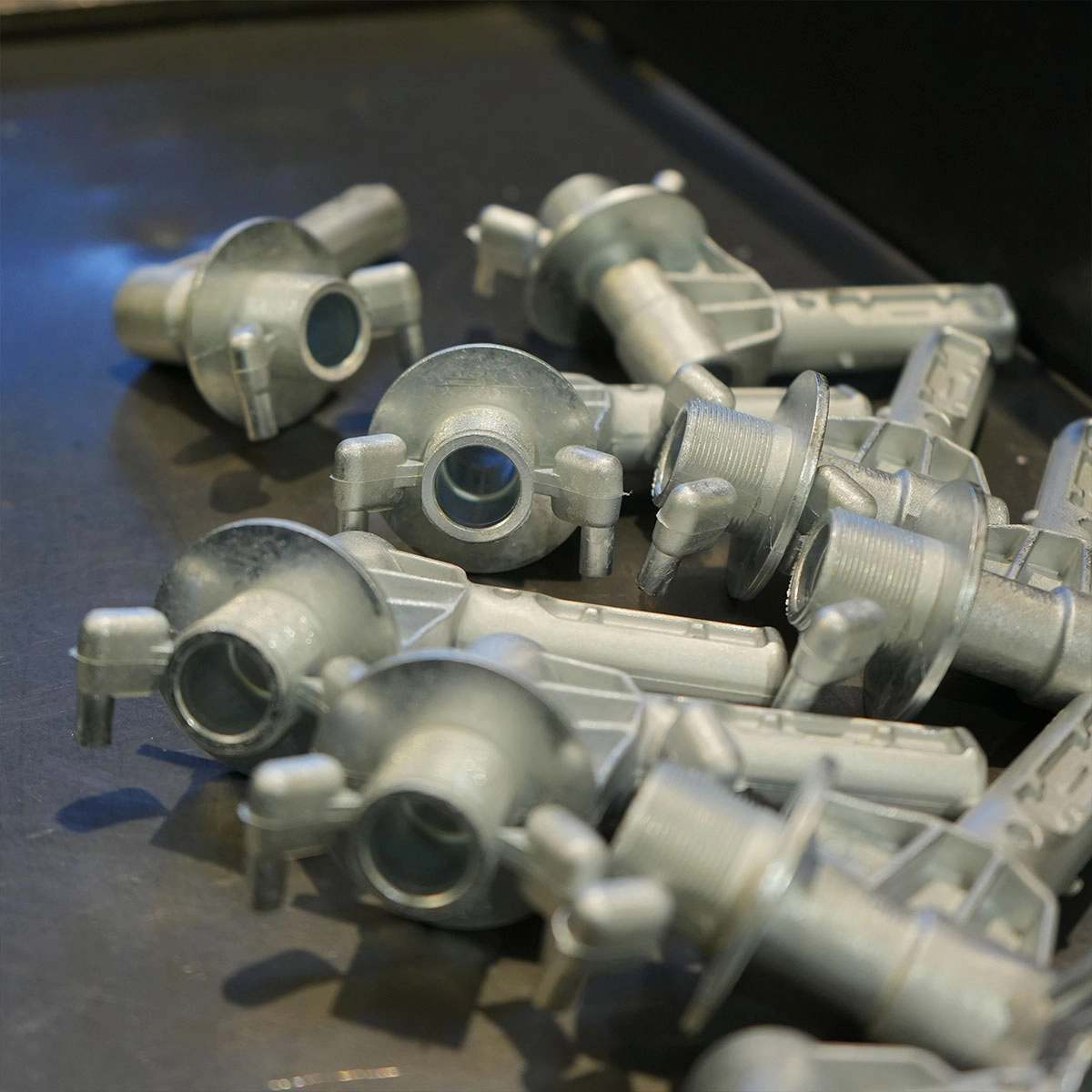
- Fusteria accessories: Handles, panys, frontisses and other ferratges used in portes and finestres. Zamak guarantees resistance and a high-quality aesthetic finish.
- Subjecció Systems: Visos, perns and anchors that require high precision and durability. These components are essential in the installation of metal structures and whips.
- Decorative Elements: Motllures, embellishments and other architectural details that combine design and resistance, both interiors and exteriors.
- Structural Components: In specific applications, zamak is used in fish that must withstand heavy or medium loads, maintaining its shape and resistance to all temperatures.
- Drainage and Canalization Systems: Thanks to its high resistance to humidity and corrosion, zamak is used in fish drainage and water conduction systems.
Why do many construction projects fail in durability and accuracy?
In the construction sector, material selection often focuses on cost and immediate availability. However, this approach often overlooks essential factors such as wear resistance, dimensional accuracy, and sustainability. This causes critical components to deteriorate prematurely, generating hidden costs for maintenance and replacement.
The solution: Zamak, a versatile, resistant and reliable material
Zamak has become a strategic ally for engineers and architects seeking high-performance materials. Thanks to its excellent mechanical strength, high injection molding precision, and superior aesthetic finish, it is ideal for functional and decorative components in structures, urban furniture, and hardware. Furthermore, its recyclability makes it a more sustainable alternative to other metals.