The medical industry is constantly looking for innovative and reliable materials for the manufacture of devices that can improve the quality of life of patients. In this context,
Why choose Zamak for medical devices?
Zamak has proven to be an excellent choice in various industrial sectors thanks to its mechanical and physical properties. When analyzing its advantages in the manufacture of medical devices, several key reasons can be highlighted as to why this alloy is particularly suitable for these applications.
1. High corrosion resistance
Medical devices, particularly those in contact with liquids or humid environments, require materials that can resist corrosion.
2. Excellent moldability and detail
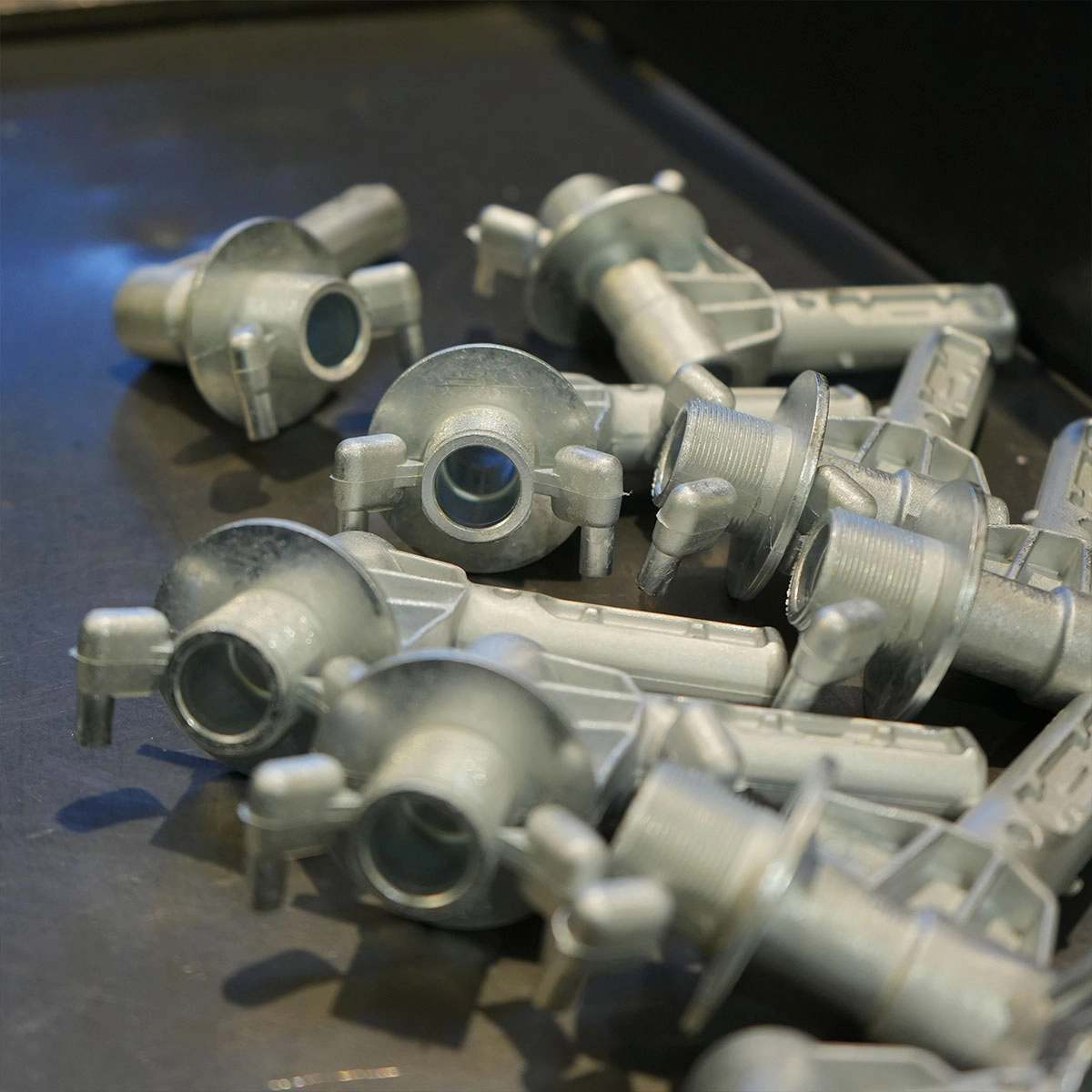
Die-casting Zamak parts allows for the creation of components with complex and detailed shapes, which is essential in the manufacture of precise medical devices. This is especially useful for producing custom prostheses, precision parts for surgical equipment, and other applications where accuracy is crucial. Furthermore, the surface quality of this metal allows for smooth finishes that are comfortable for the patient.
3. Biocompatibility
It is an alloy that, while not completely biocompatible on its own, can be coated with biocompatible materials, such as chromium, to ensure that the parts are suitable for contact with the human body. This is particularly important in implantable medical devices, such as joint prostheses or surgical device components, where the risk of rejection or adverse reactions must be minimized.
4. Lightness and resistance
One of the main advantages is its balance between lightness and mechanical resistance. This makes it an ideal option for medical devices that need to be robust but lightweight, such as prosthetics and certain portable surgical equipment. Reducing the weight of the devices makes handling easier for both medical professionals and patients, especially when it comes to joint prostheses or orthopedic devices.
5. Competitive costs and production efficiency
It is an economical material compared to other metal alloys, allowing for reduced production costs without compromising device quality. Furthermore, die casting is an efficient process that enables the mass production of Zamak parts with high precision and low cost. This advantage is especially relevant for manufacturing high-demand medical equipment, which can contribute to greater accessibility of medical devices for patients.
6. Wear resistance properties
Medical devices, especially those subject to constant movement or friction, must have high wear resistance.
Applications of Zamak in medical devices
- Joint prostheses: Used to manufacture components such as knee and hip prosthesis structures, where a light and resistant material is required.
- Surgical Instruments: Surgical components such as forceps, clamps and surgical robot parts are manufactured from Zamak to ensure precision and durability.
- Dental implants: Zamak pieces, coated with biocompatible materials, can be used in certain components of dental implants.
- Orthopedic devices: It is also used in orthopedic devices, such as splints and supports, due to its strength and lightness.
Conclusion
Zamak offers a wide range of benefits for the medical industry, from its corrosion resistance to its ability to produce precise and durable components. By using Zamak in the manufacture of medical devices and prostheses, manufacturers can ensure high-quality, affordable products that improve the experience for both healthcare professionals and patients.