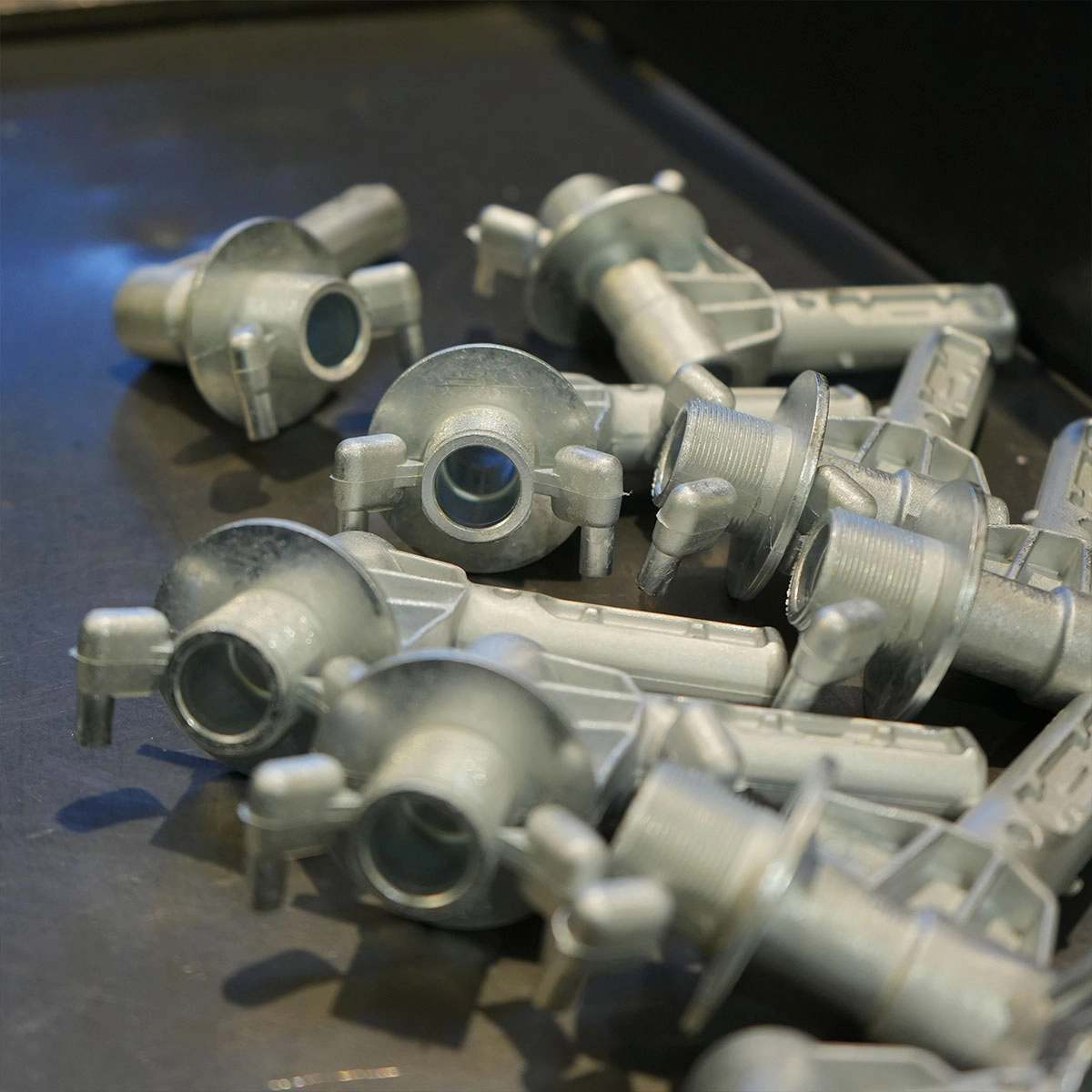
In a global context where sustainability is becoming a growing concern, the choice of materials plays a fundamental role in minimizing environmental impact. Among the materials that stand out for their commitment to the environment are zamak zamak is positioned as an exceptional choice. This zinc alloy offers multiple benefits in terms of sustainability and efficiency.
Sustainability Benefits
Recyclability
- One of the most outstanding features of zamak is its recyclability. This material can be recycled indefinitely without losing its mechanical properties. As a result, it contributes to reducing the amount of waste and the need to extract new resources. This closed life cycle helps to conserve natural resources and reduce the environmental footprint.
Energy Efficiency in Production
- In addition, zamak casting is carried out at lower temperatures compared to other metals. This means that the production process consumes less energy, resulting in reduced greenhouse gas emissions. This energy efficiency is crucial in the fight against climate change.
Durability and Longevity
- Products made from this metal are known for their resistance to wear and corrosion. This durability not only extends its lifespan, but also reduces the need for frequent replacements. As a consequence, it minimizes long-term resource consumption and reduces waste production.
Less Mold Wear
- In addition, the process generates less wear on the molds, which prolongs the useful life of the tools used in manufacturing. This feature not only reduces production costs, but also minimizes waste generated by mold wear.
Abundance of raw material
- Zinc, the main component of zamak, is an abundant and readily available metal. This means that zamak production does not depend on rare or scarce resources, which contributes to greater sustainability in raw material sourcing.
Impact on Health and Safety
- Unlike other metals that can be harmful to human health and the environment, zamak is considered safe. Its use in diverse applications, from plumbing to toy manufacturing, reflects its low toxicity profile.
In short, zamak is not only a high-quality and versatile material, but also represents a responsible approach to sustainability. Its recyclability, energy efficiency, durability and low environmental impact make it an ideal option for various industries. By choosing this metal, companies can contribute to a more sustainable future, aligning themselves with the needs of a world that demands more ecological and responsible practices.